Ocean Energy Companies Comparison Table
| Company | Technology | Key Advantages | Estimated Pricing (LCOE) | Best For | Website |
|---|---|---|---|---|---|
| Orbital Marine Power | Tidal turbines | Predictable energy, high efficiency | £100–150/MWh | Utilities, islands | orbitalmarine.com |
| CorPower Ocean | Wave converters | 5x energy efficiency, storm resistance | €50–100/MWh | Enterprise, offshore | corpowerocean.com |
| Minesto | Underwater kites | Works in low currents | €40–80/MWh | Remote locations | minesto.com |
| Eco Wave Power | Onshore wave | Low CAPEX, easy maintenance | €100–150/MWh | Coastal cities | ecowavepower.com |
| Ocean Power Technologies | PowerBuoy | Modular + data integration | €80–120/MWh | Defense, offshore | oceanpowertechnologies.com |
What Are Ocean Energy Companies and Why Enterprises Are Investing in Them
Ocean energy companies are at the forefront of enterprise renewable infrastructure, offering scalable alternatives to traditional wind and solar systems.
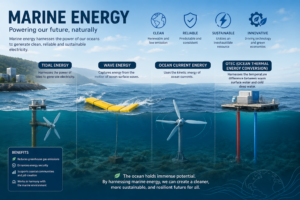
These companies develop technologies that harness:
- Wave energy
- Tidal currents
- Ocean thermal gradients
For enterprises focused on ESG compliance, carbon reduction, and long-term ROI, ocean energy is becoming a strategic asset.
Why it matters for enterprise:
- Predictable energy generation (especially tidal)
- High energy density vs solar
- Strong alignment with ESG frameworks (CSRD, GHG Protocol)
Recommended: Marine Energy: Technologies, Benefits, cos and Best Solutions
Top Ocean Energy Companies (Detailed Analysis)
Orbital Marine Power
Technology: Floating tidal turbines
Pricing:€100–150/MWh
Pros:
- Highly predictable energy output
- Proven commercial deployments
- Strong grid integration
Cons:
- Higher upfront infrastructure costs
- Location-dependent
Best For:
- National utilities
- Island energy systems
Link: Orbital Marine Power
CorPower Ocean
Technology: Wave energy converters (resonance-based)
Pricing: €50–100/MWh
Pros:
- Extremely high efficiency (5x per ton)
- Storm-resilient engineering
- Modular scalability
Cons:
- Still scaling commercially
- Requires offshore deployment
Best For:
- Enterprise renewable portfolios
- Offshore hybrid systems
Link: CorPower Ocean
Minesto
Technology: Underwater “kite” systems
Pricing: €40–80/MWh
Pros:
- Works in low-flow currents
- Unlocks new geographic markets
- Lightweight infrastructure
Cons:
- Limited large-scale deployments
- Emerging technology
Best For:
- Remote and developing regions
- Deep-sea energy projects
Link: Minesto
Eco Wave Power
Technology: Onshore wave platforms
Pricing: €100–150/MWh
Pros:
- Low installation complexity
- Easy maintenance
- Proven pilot systems
Cons:
- Lower scalability offshore
- Limited energy density
Best For:
- Coastal cities
- Small utilities
Link: Ecowavepower
Ocean Power Technologies
Technology: PowerBuoy systems
Pricing: €80–120/MWh
Pros:
- Multi-use (energy + data monitoring)
- Modular deployment
- Strong offshore capabilities
Cons:
- Moderate efficiency vs competitors
- Niche applications
Best For:
- Defense
- Offshore oil & gas
Ocean Energy Companies Comparison: Orbital vs CorPower vs Minesto
| Factor | Orbital | CorPower | Minesto |
|---|---|---|---|
| Efficiency | High | Very High | Medium |
| Scalability | Medium | High | High |
| Cost | Medium | Competitive | Low |
| Maturity | High | Medium | Emerging |
👉 Insight:
- Best enterprise scalability → CorPower
- Best cost innovation → Minesto
- Most proven → Orbital
Ocean Energy Technologies Explained for Decision Makers
Wave Energy
Captures surface motion → ideal for coastal enterprise infrastructure
Tidal Energy
Uses predictable currents → best for grid stability
Hybrid Systems
Combines offshore wind + wave → maximizing ROI
Best Use Cases for Ocean Energy Companies
- Utilities: Baseload renewable generation
- Offshore industries: Energy independence
- Remote systems: Reliable power without grid
- Enterprise: ESG-driven energy diversification
Ocean Energy Pricing: Costs, ROI and LCOE Breakdown
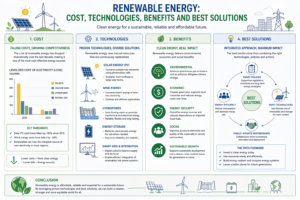
Cost Comparison
| Energy Type | LCOE Range |
|---|---|
| Ocean Energy | €40–150/MWh |
| Wind | €30–80/MWh |
| Solar | €20–60/MWh |
Key Insight:
Ocean energy is not the cheapest but offers:
- Predictability
- Stability
- Strategic ESG value
Regulatory and Compliance Landscape (ESG, CSRD, GHG Protocol)
Enterprise adoption is driven by compliance:
- CSRD (Europe): Mandatory sustainability reporting
- GHG Protocol: Emissions tracking
- SEC Climate Rules (US): Disclosure requirements
👉 Ocean energy supports:
- Scope 2 reduction
- Renewable energy credits
- Long-term compliance strategies
How to Choose the Right Ocean Energy Company
Choose based on:
Company
- Tidal → stability
- Wave → scalability
Geography
- Deep sea → Minesto
- Coastal → Eco Wave
Budget
- Low cost → Minesto
- Balanced → CorPower
Compliance
- ESG-focused → CorPower / Orbital
The Future of Ocean Energy Companies
- Rapid growth in offshore renewables
- Integration with hydrogen production
- Increased enterprise adoption
👉 Expected CAGR: strong double digit growth through 2030
Best Ocean Energy Companies by Category
- Best Overall: CorPower Ocean
- Best Budget: Minesto
- Best Enterprise Solution: Orbital Marine Power
- Best Offshore Innovation: Ocean Power Technologies
- Best Coastal Deployment: Eco Wave Power
Which Ocean Energy Company Should You Choose?
If you’re an enterprise decision-maker, the choice depends on your strategic goals:
- Cost efficiency → Minesto
- Scalability → CorPower
- Reliability → Orbital
Ocean energy is no longer experimental it’s becoming a core pillar of enterprise renewable strategy