What Are Environmental Best Practices?
Definition and Core Principles
Environmental best practices are methods and policies that minimize ecological impact, conserve natural resources, and ensure sustainable development. They include energy efficiency, waste reduction, responsible consumption, renewable energy adoption, and continuous education about sustainability.
These practices support global frameworks such as the UN Sustainable Development Goals (SDGs) and are often integrated into environmental management systems like ISO 14001, which promote accountability and measurable results.
Why They Matter for Sustainability
Environmental best practices reduce carbon emissions, improve air and water quality, preserve biodiversity, and create economic resilience. For both individuals and organizations, sustainability is not only ethical it’s a strategic advantage that enhances brand trust and operational efficiency.
Key Areas of Environmental Action
Energy Efficiency and Renewable Sources
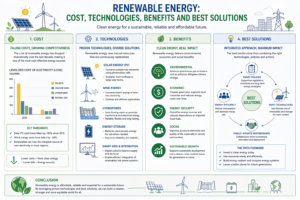
Switching to renewable energy (solar, wind, hydro) is one of the strongest commitments toward sustainability. Simple actions such as energy audits, LED lighting, and smart automation can reduce consumption by up to 30%.
Sustainable Water and Waste Management
Efficient water use through rainwater harvesting, greywater reuse, and leak detection prevents shortages and reduces costs.
Waste management focuses on the “3R” principle: Reduce, Reuse, Recycle. Recycling aluminum, for example, saves up to 95% of the energy needed to produce new material (EPA data).
Responsible Consumption and Recycling
Choosing eco friendly materials, minimizing packaging, and supporting FSC certified products are practical ways to lower waste. Individuals and businesses alike benefit from a circular economy, where materials re enter the production chain instead of being discarded.
Sustainable Mobility and Transportation
Transportation accounts for nearly 25% of global emissions. Prioritizing public transport, cycling, and electric vehicles reduces pollution and improves health outcomes. Cities worldwide are now investing in charging stations, clean buses, and bike lanes.
Implementing Best Practices in Organizations
Policies, Training, and Green Culture
A company’s sustainability begins with leadership. Environmental policies, internal training programs, and employee engagement initiatives help build a culture of ecological responsibility.
Environmental Certifications and ISO Standards
Global standards like ISO 14001, LEED, and B Corp certification demonstrate commitment to sustainability. They also improve compliance with environmental regulations, reduce risk, and enhance corporate reputation.
Measuring Impact and Continuous Improvement
Track sustainability through measurable KPIs: energy intensity, water consumption, waste diversion rates, and CO₂ emissions. Public sustainability reports increase transparency and stakeholder confidence.
Environmental Best Practices by Actor Type
Households and Individuals
At the domestic level, the “Reduce, Reuse, Recycle” philosophy is key. Households can adopt simple habits such as:
- Using glass containers instead of single use plastics.
- Separating waste (paper, cardboard, glass, organics).
- Reducing energy and water consumption with LED bulbs, efficient appliances, and low flow showers.
- Printing double sided and using digital documents.
Recycling aluminum cans saves 95% of energy compared to producing new aluminum (EPA). Many cities now offer composting programs and promote eco friendly homes through building codes requiring insulation and green roofs.
Educational initiatives like Earth Day and Earth Hour (WWF) encourage communities to adopt sustainable behaviors turning off lights, planting trees, and participating in local clean up days.
Businesses and Companies
Companies lead the way through corporate sustainability plans, focusing on:
- Renewable energy adoption (solar, wind) and carbon offsetting through reforestation.
- Energy efficiency via audits, LED systems, and heat recovery.
- Waste management programs (internal segregation, composting, circular packaging).
- Water reuse and treatment technologies.
- ISO 14001 certification and compliance with emission standards.
Internal employee training builds awareness, while sustainability reports, green labels (LEED, B Corp), and CSR communication enhance corporate image and accountability.
Educational Institutions
Schools and universities implement recycling programs, energy saving systems, and educational gardens. UNESCO’s Green Schools Initiative defines institutions that integrate environmental education into both infrastructure and curriculum.
In Japan, thousands of UNESCO affiliated schools promote Education for Sustainable Development (ESD), while local initiatives like Eco Schools Networks foster awareness through contests, science fairs, and thematic events like World Recycling Day.
Government and Public Sector
Governments play a central role in scaling up sustainability through:
- Green infrastructure: renewable energy plants, electric public transport, bicycle networks, and reforestation.
- Public employment programs like Working for Water (South Africa), which created 25,000 green jobs removing invasive plants.
- Environmental laws and treaties, such as the Clean Air Act (USA), Paris Agreement, and Japan’s Basic Environmental Law.
- Educational funding for ESD in public schools and national environmental awards for students.
- Mass awareness campaigns : Earth Hour, World Environment Day, and anti plastic initiatives to engage citizens.
Environmental Best Practices by Actor Type
| Actor / Area | Implementation | Legislation / Standards | Education / Training | Awareness / Campaigns |
|---|---|---|---|---|
| Households / Individuals | Recycling, composting, efficient appliances | Eco building codes, energy certifications | Community recycling centers, family guides | National campaigns (Reduce, Reuse, Recycle, Earth Hour) |
| Businesses | Renewable energy, waste management, water reuse | Emission standards, ISO 14001, fiscal incentives | Internal sustainability workshops | Sustainability reports, eco labels |
| Educational Institutions | School gardens, recycling, green roofs | Mandatory environmental subjects, UNESCO Eco School | ESD curriculum, teacher training | Ecology clubs, fairs, eco school networks |
| Government | Green infrastructure, renewable projects | National environmental laws, Paris Agreement | State funded ESD initiatives | Public environmental campaigns, clean up events |
Environmental Best Practices by Sector
Agriculture
Sustainable agriculture includes Integrated Pest Management, crop rotation, organic fertilizers, and drip irrigation to reduce chemical use and protect soil health. Farmers use precision agriculture tools (drones, sensors, apps) to monitor crops and climate.
In the EU, subsidies require eco friendly practices, encouraging biodiversity corridors and organic certifications.
Industry
- The industrial sector promotes clean production reusing water, recycling materials, and minimizing emissions.
- Technologies like filters and wastewater treatment systems cut air and water pollution.
- Standards such as ISO 14001 and EMAS ensure compliance, while green audits demonstrate corporate responsibility.
Tourism
- Sustainable tourism minimizes environmental footprints through green buildings (LEED hotels), renewable energy use, and local sourcing.
- The Biosphere Destination and Blue Flag certifications identify eco responsible hotels and beaches.
- Jordan’s Feynan Ecolodge exemplifies how low impact tourism can generate income while conserving nature.
Technology and Services
- The tech industry embraces clean technologies renewable powered data centers, e waste recycling, and IoT systems that optimize energy.
- Regulations like RoHS and REACH in the EU restrict toxic materials.
- Education initiatives now include Green Tech programs in STEM careers, and public campaigns promote responsible device use and digital sustainability.
Environmental Best Practices by Country
United States
- Implementation: Renewable energy expansion, strong national parks network.
- Legislation: Clean Air Act, Clean Water Act, and Endangered Species Act (1970s).
- Education: The EPA runs youth environmental awards and educational curricula.
- Awareness: Earth Day mobilizes over a billion people yearly; NGOs and media campaigns drive climate action.
Germany
- Implementation: Over 50% of its electricity comes from renewables (Energiewende).
- Legislation: Circular economy laws, feed in tariffs, strict CO₂ targets.
- Education: “Bildung für nachhaltige Entwicklung” teaches sustainability from early schooling.
- Awareness: Local recycling drives and “car free days” foster strong eco citizen habits.
Brazil
- Implementation: The Amazon Sustainable Program (PPCDAm) reduced deforestation via protected areas and satellite monitoring.
- Legislation: Integrated Paris Agreement commitments into national law; launched the Green Growth Program (2021).
- Education: Bilingual environmental education in Amazon schools.
- Awareness: National campaigns like Amazon Day raise awareness of deforestation.
Japan
- Implementation: Energy efficient infrastructure and electric public transport.
- Legislation: Basic Environmental Law (1993) and Environmental Impact Assessment Law (1997).
- Education: UNESCO’s largest network of “Green Schools.”
- Awareness: Campaigns on recycling, energy saving, and disaster prevention integrate environmental learning.
South Africa
- Implementation: Working for Water, Working for Fire, and Working on Waste created thousands of green jobs.
- Legislation: Constitution guarantees the right to a healthy environment; NEMA regulates pollution.
- Education: Environmental studies in schools and universities.
- Awareness: National cleanup days and biodiversity campaigns strengthen civic participation.
Environmental Best Practices by Strategic Approach
Practical Implementation
Actions include solar panel installation, reforestation, efficient public transport, precision irrigation, and clean production methods. These initiatives demonstrate that economic growth and environmental protection can coexist.
Legislation and Regulation
Strong laws create accountability. Examples include:
- The Clean Air Act (USA) and Water Quality Standards (1970).
- The EU Green Deal promoting circular economy legislation.
- Japan’s Basic Environmental Law (1993).
- South Africa’s constitutional environmental rights (1996).
- Brazil’s Paris Agreement commitments integrated into national law.
These frameworks enforce impact assessments, emission limits, and mandatory monitoring programs to drive sustainable development.
Environmental Education
Education empowers citizens. From school programs to corporate training, Environmental Education and Education for Sustainable Development (ESD) build knowledge, values, and skills.
- The UNESCO Green School goal aims for 50% of schools to be green by 2030.
- The EPA in the U.S. rewards youth environmental innovation.
- Germany and Japan lead with national sustainability curricula.
Public Awareness and Campaigns
Mass campaigns turn awareness into action:
- Earth Hour (WWF) encourages turning off lights globally.
- Earth Day (April 22) mobilizes billions of people.
- NGOs like Greenpeace and WWF run movements on reforestation, plastic reduction, and ocean protection.
- Governments reinforce awareness through national “Recycle” drives and World Environment Day celebrations.
How to Start Today: Simple Actions for Everyone
- Turn off unused lights and devices.
- Replace single use plastics with reusable containers.
- Buy local and sustainable products.
- Support green organizations and NGOs.
- Educate friends and family awareness sparks change.
Frequently Asked Questions
1. What are environmental best practices?
They are proven methods that reduce environmental impact and promote sustainable resource use.
2. How can businesses adopt them effectively?
By applying policies, certifications, and measurable performance indicators (KPIs).
3. Which sectors benefit the most?
Agriculture, industry, tourism, and technology all gain from resource efficiency and eco innovation.
4. Why is education key?
It empowers people to act sustainably, fostering long term environmental awareness and responsibility.