Carbon sequestration technology is no longer experimental , it is now a strategic asset for governments, heavy industry, energy companies and climate focused investors.
With rising carbon prices, voluntary carbon markets expanding, and corporate net zero commitments accelerating, choosing the right carbon capture technology in 2026 can determine both environmental impact and long term ROI.
This guide compares the 7 best carbon sequestration technologies, analyzing:
- How they work
- Environmental benefits
- Cost per ton (2026 data)
- Permanence of storage
- Scalability potential
- Leading companies driving adoption
Why Carbon Sequestration Technology Matters in 2026
The carbon removal market has shifted from climate activism to industrial scale infrastructure.
According to projections around IEA direct air capture scenarios, gigaton scale deployment will be necessary to meet 2050 net zero goals. This has created strong commercial incentives for permanent carbon removal.
Key drivers:
- Rising compliance carbon markets
- Corporate buyers (Microsoft, Amazon) paying premium for permanence
- Government subsidies (US IRA incentives)
- Voluntary carbon markets demanding higher quality credits
Now let’s break down the technologies dominating the sector.
1️⃣ Direct Air Capture (Liquid DAC – 1PointFive / Oxy)
How It Works
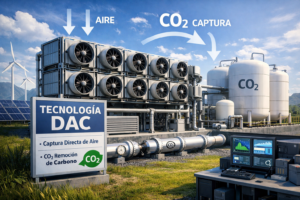
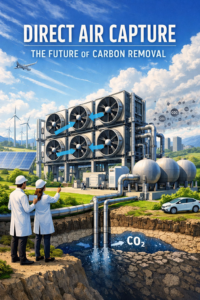
Liquid Direct Air Capture uses chemical solvents to extract CO₂ directly from ambient air. The captured carbon is then compressed and injected into deep geological formations for permanent storage.
1PointFive (backed by Oxy) is scaling the Stratos project in Texas, targeting 500,000 tons annually through a “design once, build many” strategy.
Advantages
- Removes historical CO₂ from atmosphere
- Extremely high permanence (10,000+ years)
- Scalable megaproject model
- Eligible for premium carbon credits
Environmental Benefits
- True negative emissions
- Prevents future atmospheric warming
- Permanent geological storage
Cost
$250–$450 per ton
note: These figures represent price ranges
2️⃣ Direct Air Capture (Climeworks Carbon Capture )
How It Works
Solid DAC uses porous filters coated with amines to trap CO₂. Heat regeneration releases concentrated carbon for storage.
The Climeworks carbon capture model operates the Climeworks Orca plant in Iceland, powered by geothermal energy. Through its partnership with Carbfix, CO₂ is mineralized into stone.
Advantages
- Mineralization = ultra-permanent storage
- Renewable energy powered
- Premium-grade carbon credits
- High purity CO₂ stream
Environmental Benefits
- 10,000+ year permanence
- No risk of reversal (unlike forestry)
- Renewable energy integration
Cost
$500–$800 per ton
note: These figures represent price ranges
3️⃣ Point-Source Carbon Capture (Industrial Capture)
How It Works
Installed at industrial smokestacks (cement, steel, natural gas), capturing CO₂ before it enters the atmosphere.
Leading Innovations
- Carbon Clean – CycloneCC (10x smaller modular units)
- Aker Carbon Capture – “Carbon as a Service”
Advantages
- Most mature technology
- Lowest cost per ton
- Ideal for heavy industry
- Fastest scalability
Environmental Benefits
- Prevents industrial emissions at source
- Supports decarbonization of hard to abate sectors
Cost
$30–$100 per ton
note: These figures represent price ranges
4️⃣ Bioenergy with Carbon Capture (BECCS)
How It Works
Biomass is burned for energy, and resulting CO₂ is captured and stored underground.
SLB Capturi and Drax are converting power plants into negative emissions facilities.
Advantages
- Produces energy + removes carbon
- Existing biomass infrastructure
- Dual revenue model
Environmental Benefits
- Net negative emissions
- Energy security contribution
Cost
$80–$160 per ton
note: These figures represent price ranges
5️⃣ Biochar Carbon Removal (BCR)
How It Works
Organic waste is converted into stable biochar through pyrolysis. The biochar is stored in soil, locking carbon away.
Novocarbo leads commercial scale biochar parks in Germany.
Advantages
- Lower capital intensity
- Agricultural soil improvement
- Faster deployment
Environmental Benefits
- Soil regeneration
- Water retention improvement
- Long-term carbon storage
6️⃣ Enhanced Rock Weathering (ERW)
How It Works
Crushed silicate rocks are spread on land, accelerating natural chemical reactions that lock CO₂ into stable minerals.
Advantages
- 1,000+ year permanence
- Passive storage mechanism
- Agricultural co benefits
Cost
$150–$300 per ton
note: These figures represent price ranges
7️⃣ Emerging Next Generation Technologies
- VPSA (GasN2 / IQS): Efficient CO₂ separation from industrial gases.
- DAC with Porous Solids (Global Thermostat): Low temperature regeneration systems.
- Hybrid DAC + Electrolysis (Parallel Carbon): Captures CO₂ while producing renewable hydrogen.
These technologies aim to reduce capital costs and increase energy efficiency.
Carbon Sequestration Technology Cost Comparison (2026)
| Technology | Cost per Ton (USD) | Permanence | Leading Companies |
|---|---|---|---|
| Point-Source Capture | $30–$100 | High (geological) | Carbon Clean, Aker |
| BECCS | $80–$160 | High | SLB Capturi, Drax |
| ERW | $150–$300 | 1,000+ years | InPlanet, 44.01 |
| DAC Liquid | $250–$450 | 10,000+ years | 1PointFive |
| DAC Solid | $500–$800 | 10,000+ years | Climeworks |
Pioneering Companies in Carbon Sequestration Technology
- Climeworks
- 1PointFive (Oxy)
- Carbon Clean
- Aker Carbon Capture
- SLB Capturi
- Novocarbo
- Global Thermostat
- Parallel Carbon
These companies are shaping the future of scalable, permanent carbon removal.
Which Carbon Sequestration Technology Is Best for Your Business?
- Heavy industry → Point-source capture
- Premium permanent removal → DAC
- Energy producers → BECCS
- Agriculture-linked carbon markets → Biochar / ERW
The best choice depends on:
- Cost tolerance
- Permanence requirement
- Regulatory environment
- Access to geological storage
Conclusion
Carbon sequestration technology in 2026 is no longer theoretica, it is infrastructure.
From low cost industrial capture to ultra-permanent Direct Air Capture systems like Climeworks carbon capture and 1PointFive, the market now offers differentiated solutions based on cost, permanence, and scalability.
As carbon pricing tightens and demand for high integrity carbon credits rises, selecting the right technology can create both environmental and financial returns.
FAQs
What is the most effective carbon sequestration technology?
Direct Air Capture offers the highest permanence but at higher cost.
What does the IEA say about direct air capture?
IEA scenarios suggest DAC must scale massively to meet 2050 climate targets.
Why is Climeworks more expensive?
Because mineralization guarantees ultra-permanent storage powered by renewables.
Is carbon capture profitable?
Yes, especially with subsidies and high-quality carbon credit markets.