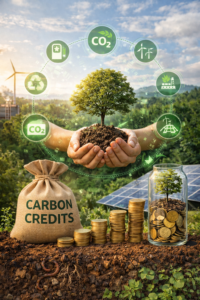
What Is Environment Action?
Environment action refers to deliberate strategies, policies, and behaviors designed to protect natural ecosystems, reduce environmental harm, and promote sustainability.
It includes:
- Climate mitigation strategies
- Biodiversity protection
- Pollution reduction
- Sustainable energy transition
- Environmental justice initiatives
- Environmental justice
- Civic participation
Unlike vague sustainability messaging, environment action implies measurable steps and accountability.
Difference Between Environment Action and Environmental Action Plan
| Aspect | Environment Action | Environmental Action Plan |
|---|---|---|
| Definition | Broad concept referring to initiatives aimed at protecting the environment | Structured strategic document that organizes and implements environmental action |
| Scope | General and conceptual | Specific and operational |
| Purpose | Promote sustainability and environmental protection | Provide a roadmap to achieve measurable sustainability goals |
| Structure | May include policies, behaviors, and advocacy efforts | Includes goals, timelines, KPIs, budget, and accountability mechanisms |
| Measurability | Not always measurable unless structured | Designed to include measurable performance indicators |
| Application Level | Global, national, local, individual | Governmental, corporate, institutional, or organizational |
| Example | Reducing carbon emissions | A 5-year carbon reduction strategy with milestones and reporting system |
Key Insight
Environment action represents the mission and commitment to sustainability.
An environmental action plan translates that commitment into measurable, actionable steps.
Without a plan, environmental action lacks structure. Without action, a plan remains theoretical.
Why Is It Essential to Take Environmental Action?
Impact on Planetary Health
Environmental degradation directly affects:
- Air quality
- Water security
- Soil fertility
- Public health
- Economic stability
Environment action reduces greenhouse gas emissions, limits ecosystem collapse, and protects vulnerable populations.
Ignoring environmental action increases long term economic and humanitarian costs.
Relationship With Environmental Justice (Earthjustice Action)
Earthjustice action connects environmental protection with human rights. Environmental harm disproportionately affects low-income communities and marginalized groups.
Climate justice actions aim to:
- Ensure equitable access to clean air and water
- Hold polluters accountable
- Protect frontline communities
- Reform environmental policy
Environment action without justice is incomplete. Earthjustice action ensures fairness within sustainability frameworks.
How to Create Your Own Environmental Action Plan
Practical Steps
To build a strong environmental action plan:
- Assess Environmental Impact – Identify emissions, waste streams, energy use.
- Set SMART Goals – Specific, measurable, achievable, relevant, time-bound.
- Prioritize High-Impact Areas – Energy, transportation, procurement.
- Define Metrics – Carbon reduction %, waste diversion rates.
- Implement and Monitor – Continuous evaluation ensures effectiveness.
This structure works for governments, companies, schools, and households.
Examples and Starter Activities
- Switching to renewable energy providers
- Implementing zero-waste policies
- Creating green procurement guidelines
- Introducing environmental education programs
Earthjustice Action and Real Examples
What Is Earthjustice Action?
Earthjustice action refers to legal and advocacy-based environmental protection efforts. It focuses on litigation, policy reform, and corporate accountability.
It strengthens environment action by:
- Enforcing environmental laws
- Challenging harmful industrial projects
- Protecting public lands and water systems
Examples of Successful Environmental Initiatives
- Legal victories preventing toxic waste dumping
- Policy reforms advancing clean energy standards
- Community-led climate justice actions
These initiatives demonstrate how environment action can create structural change.
Actions to Help the Environment
Individual Actions
- Reduce energy consumption
- Minimize single-use plastics
- Support sustainable brands
- Adopt plant-forward diets
Small-scale environment action contributes to systemic impact when widely adopted.
Community Actions
- Organize recycling drives
- Advocate for local climate policies
- Support environmental action campaigns
- Participate in climate justice actions
Participating in Earthjustice Action and Environmental Movements
Engage in:
- Public consultations
- Environmental litigation support
- Grassroots organizing
- Policy advocacy
Collective environment action amplifies results.
Environmental Actions for Countries
Public Environmental Policies
National governments drive large-scale environment action through:
- Carbon pricing
- Renewable energy mandates
- Deforestation regulations
- Biodiversity protection laws
National Environment Action Programs
- Long-term climate targets
- Sustainable infrastructure investments
- Environmental justice frameworks
International Agreements and Climate Cooperation
Global environment action depends on multilateral cooperation and compliance mechanisms.
Environmental Actions for Cities
Sustainable Transportation
- Public transit electrification
- Bike infrastructure
- Urban planning reforms
Circular Economy and Waste Management
- Composting programs
- Zero-waste targets
- Extended producer responsibility
Urban Clean Energy
- Solar rooftops
- Smart grids
- Energy efficient buildings
Cities are laboratories of environment action innovation.
5 Actions You Can Take at Home to Protect the Environment
- Improve home energy efficiency
- Reduce water consumption
- Practice recycling and composting
- Choose sustainable food sources
- Support ethical consumption
Home-based environment action is scalable and impactful.
5 Environmental Actions for School or College
- Develop a school environmental action plan
- Launch recycling initiatives
- Introduce climate education programs
- Create community gardens
- Organize environmental awareness campaigns
Educational institutions play a crucial role in climate justice actions.
Why Is It Urgent to Act Now?
- Climate Change Acceleration
- Global temperatures continue rising, increasing extreme weather events and biodiversity loss.
- Climate Justice Actions and Equity
- Delaying environment action deepens inequality.
- The Role of Governments, Businesses, and Citizens: True transformation requires:
- Regulatory enforcement
- Corporate accountability
- Civic participation
Urgency transforms awareness into environment action.
FAQs About Environment Action
What is environment action?
It refers to structured efforts to protect ecosystems and address climate change.
What is an environmental action plan?
A roadmap outlining measurable sustainability goals and implementation steps.
How does earthjustice action support environmental protection?
Through legal advocacy and policy reform.
What are climate justice actions?
Initiatives ensuring equitable environmental protection for vulnerable communities.
Conclusion
Environment action is not a trend, it is a structural necessity. From environmental action plans to earthjustice action, from national policies to household decisions, every layer matters.
The question is not whether we should act.
The question is how fast we can scale environment action responsibly and equitably.