What Is Environmental Management Software?
Environmental Management Software (EMS) is a digital tool designed to help organizations monitor, manage, and improve their environmental performance. From reducing carbon emissions to ensuring compliance with international standards like ISO 14001, EMS provides the visibility and control needed to make sustainability an integrated part of business operations.
Unlike traditional spreadsheets, a modern EHS management system software centralizes all environmental data, compliance requirements, and reporting needs in a single platform. This makes it easier to track sustainability goals, meet regulatory deadlines, and demonstrate accountability to stakeholders.
Key Benefits of an EHS Management System
- Compliance Optimization: One of the biggest challenges companies face is keeping up with ever changing regulations. EHS compliance software automates monitoring and alerts, ensuring that organizations stay ahead of audits and inspections.
- Enhanced Environmental Reporting: With built in dashboards and analytics, an environmental health and safety software allows businesses to generate accurate reports for regulators, investors, and customers. This saves time while improving data transparency.
- Risk Reduction and Cost Savings: By identifying inefficiencies and risks early, companies can cut operational costs, avoid fines, and improve overall sustainability performance. An effective EHS management system also reduces manual work, freeing teams to focus on strategic initiatives
Types of Software and Their Uses
EMS: Integrated Environmental Management
EMS platforms are designed to cover all aspects of environmental management, from waste control to emission monitoring.
EHS Software: Compliance with Environmental Standards
Focused on regulatory alignment, ensuring compliance with OSHA, EPA, and ISO frameworks.
EHS Inspection Software: Audits and Inspections
Simplifies site checks, corrective actions, and follow-ups.
Water Compliance Software: Water Regulations Management
Ensures compliance with regional water standards and permits.
Carbon Emission Management Software
Tracks greenhouse gas (GHG) emissions, supports carbon neutrality strategies, and generates compliance ready reports for ESG disclosure.
Water Management Software
Monitors water consumption, wastewater treatment, and conservation efforts across facilities.
Irrigation Scheduling Software
Used in agriculture and landscaping, this tool optimizes irrigation schedules to reduce water waste and improve crop yields.
Waste Management Software
Helps organizations manage solid and hazardous waste, track disposal, and ensure compliance with environmental regulations.
Recycling Management Software
Automates recycling programs, tracks material recovery rates, and supports circular economy initiatives.
Environmental Monitoring Program Software
Provides real-time tracking of air, soil, and water quality, integrating with IoT sensors for continuous environmental monitoring.
Comparative Examples of Environmental Management Software
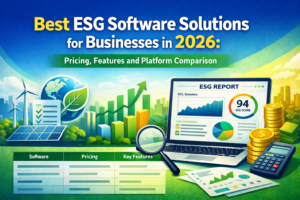
Below is an educational comparison of leading environmental management software solutions. This table is designed for informational purposes only, not for promotional or affiliate use.
| Software Name | Key Features | Primary Focus |
|---|---|---|
| Intelex | Compliance management, ESG reporting, integration with quality systems | Enterprise level EHS management |
| EHS Insight | Audit tools, inspection management, mobile accessibility | Environmental compliance & inspections |
| Enablon | Sustainability reporting, risk management, regulatory compliance | Global corporations, ESG focus |
| Sphera | Carbon tracking, incident management, EHS modules | High risk industries (energy, chemicals) |
| IsoMetrix | ISO 14001 alignment, customizable dashboards, ESG frameworks | Flexible compliance solutions |
How to Choose the Best EHS Management System Software
- Key Selection Factors: When evaluating environmental management platforms, companies should consider scalability, integration with existing systems, and compatibility with regulatory frameworks like ISO 14001 or local EPA standards.
- Current Trends: Cloud, ESG, and Sustainability: The rise of cloud based EHS software enables real time data sharing across global teams. In parallel, organizations are integrating ESG compliance tools to enhance sustainability reporting and investor transparency.
Industry Use Cases
Manufacturing
EMS helps manufacturers track emissions, waste, and energy consumption while streamlining compliance with safety regulations.
Energy and Natural Resources
In oil, gas, and mining, EHS compliance software ensures companies meet strict environmental standards while mitigating operational risks.
Water and Waste Management
Water compliance software supports utilities and treatment plants in monitoring water quality, managing permits, and preventing regulatory breaches.
Frequently Asked Questions about Environmental Management Software
What is environmental management software?
It is a digital platform that helps companies manage compliance, sustainability, and environmental performance in one place.
How is EHS software different from EMS?
EMS focuses on environmental management as a whole, while EHS software combines environmental, health, and safety functions under one system.
Which industries benefit most from water compliance software?
Industries like manufacturing, agriculture, and utilities that have heavy water use or wastewater treatment requirements.
Is cloud based EHS software more effective?
Yes. Cloud-based platforms allow global teams to access compliance data, audits, and sustainability metrics in real time.
Does this software help with ESG reporting?
Absolutely. Modern EMS integrates with ESG compliance tools to ensure organizations meet investor and regulatory expectations.
Next Steps
Implementing an environmental management software is no longer optional it’s a strategic necessity. Businesses that adopt these systems gain compliance confidence, operational efficiency, and stronger ESG positioning.
The next step for companies is to evaluate their needs, shortlist solutions from trusted providers, and implement a scalable system that aligns with long-term sustainability goals.