The carbon credits market has evolved into a multi layered global ecosystem where project developers, technology innovators, financiers, and multinational corporations interact daily.
We’ll cover:
- The top companies generating carbon credits (supply side)
- The corporations buying the largest volumes (demand side)
- What this reveals about the future of carbon removal (CDR) and compliance markets
- How to evaluate providers before making a purchasing decision
Top 10 Companies Generating Carbon Credits in 2026
Generating carbon credits doesn’t mean “manufacturing” them. It means developing verified projects that either reduce emissions (avoidance) or remove carbon from the atmosphere (CDR — Carbon Dioxide Removal).
Below is a high-level comparison of leading developers and providers.
Comparative Overview
| Company | Core Specialty | Credit Type | Market | Technology |
|---|---|---|---|---|
| Tesla | EV regulatory credits | Compliance | Regulated | Automotive efficiency |
| South Pole | Global climate projects | Avoidance & Removal | Voluntary | Mixed |
| Climeworks | Direct Air Capture | CDR | Voluntary | DAC |
| Indigo Ag | Regenerative agriculture | Nature-based CDR | Voluntary | Soil carbon |
| Carbon Streaming | Project financing | Mixed | Voluntary | Royalty model |
| Drax Group | BECCS | Industrial CDR | Compliance/Voluntary | Bioenergy |
| First Climate | Renewable & water projects | Avoidance | Voluntary | Clean energy |
| Pachama | Forest monitoring | Nature-based | Voluntary | Satellite + AI |
| Aera Group | African climate projects | Social & Energy | Voluntary | Mixed |
| Carbfix | CO₂ mineralization | Technological CDR | Voluntary | Geological storage |
How Carbon Credits Are Created
1. Tesla
Tesla generates regulatory compliance credits through electric vehicle production. Automakers that exceed emissions thresholds purchase these credits to meet fleet regulations. This positions Tesla as a major compliance-market beneficiary rather than a traditional voluntary carbon developer.
2.South Pole
A dominant player in the voluntary carbon market, South Pole develops and distributes credits across forestry (including REDD+), renewables, and emerging carbon removal technologies. Its scale and certification partnerships make it a key supplier for corporations seeking to buy carbon offsets.
3. Climeworks
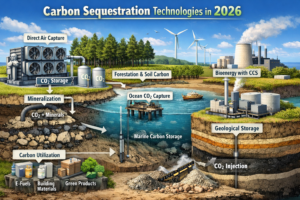
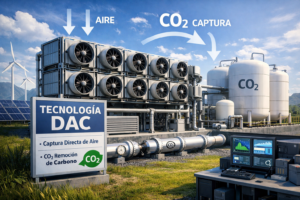
A leader in Direct Air Capture (DAC), Climeworks specializes in technological carbon removal. Buyers seeking durable, long-term removal credits frequently prioritize DAC providers due to higher permanence standards.
4.Indigo Ag
Through regenerative farming practices, Indigo Ag generates soil carbon credits. These fall under nature based removal (CDR) and are increasingly attractive to corporations balancing integrity and scalability.
5. Carbon Streaming
Carbon Streaming finances carbon projects in exchange for long term credit streams, similar to a royalty model. This makes it a hybrid between investor and project enabler.
6. Drax Group
Drax develops Bioenergy with Carbon Capture and Storage (BECCS), a technology driven removal pathway blending biomass with industrial capture systems.
7. First Climate
Focused on renewable energy and water infrastructure projects, First Climate generates avoidance credits certified under established voluntary standards
8. Pachama
Pachama leverages satellite monitoring and AI to verify forest carbon projects, increasing transparency in nature based credits.
9. Aera Group
Aera Group develops climate mitigation projects across Africa, combining energy access and social impact with verified emissions reductions.
10. Carbfix
Carbfix mineralizes captured CO₂ into rock formations, offering high durability storage a premium segment within the carbon removal market.
The 10 Biggest Carbon Credit Buyers in 2026
Demand in the carbon credits market is driven by two forces:
- Legal compliance obligations
- Voluntary net-zero commitments
Understanding who buys carbon offsets at scale reveals where the market is heading.
A. Compliance Buyers (Regulated Markets)
Corporations operating in regulated jurisdictions must purchase carbon allowances or compliance credits to meet legally mandated emissions caps. These transactions occur within structured emissions trading systems and represent some of the highest volume movements in the global carbon credits market.
Major Compliance Buyers in 2026
| Company | Sector | Market Type | Primary Motivation |
|---|---|---|---|
| Shell | Oil & Gas | Compliance (ETS) | Industrial emissions coverage |
| BP | Energy | Compliance (ETS) | Regulatory portfolio balancing |
| Volkswagen Group | Automotive | Compliance (EU Fleet Standards) | Fleet emission targets |
| Glencore | Mining & Commodities | Compliance | Industrial emissions management |
| RWE | Power Generation | Compliance (EU ETS) | Power plant emissions coverage |
1.Shell
Shell operates in heavily regulated markets where emissions caps require large-scale allowance purchases. Its strategy combines internal reduction with external compliance credits to manage industrial and downstream emissions exposure.
2.BP
BP participates in emissions trading systems across multiple jurisdictions. Carbon allowance procurement is part of its broader energy transition and regulatory risk management strategy.
3.Volkswagen Group
Volkswagen purchases compliance credits to meet fleet emission standards, particularly under European regulatory frameworks. Automotive compliance credits differ structurally from voluntary carbon offsets.
4.Glencore
Mining and commodities operations generate substantial emissions, making compliance market participation structurally necessary for Glencore’s operations.
5.RWE
As a major electricity producer, RWE operates within strict EU emissions caps, requiring continuous engagement in the compliance carbon market.
Key Insight
Compliance buyers transact in high volumes due to legal obligation, not voluntary climate leadership. Their purchasing behavior is driven primarily by regulatory frameworks rather than ESG positioning.
Voluntary Net Zero Leaders (Voluntary Carbon Market)
Unlike compliance buyers, voluntary leaders purchase carbon credits as part of corporate net-zero commitments. These organizations often prioritize high integrity carbon removal (CDR) credits over lower cost avoidance offsets.
Leading Voluntary Buyers in 2026
| Company | Strategic Focus | Preferred Credit Type | Market Approach |
|---|---|---|---|
| Microsoft | Long-term carbon negativity | Technological CDR | Direct offtake agreements |
| 24/7 carbon-free energy | Removal + energy matching | Portfolio diversification | |
| Amazon | Climate Pledge commitments | Nature-based + CDR | Large-scale procurement |
| Airbus | Aviation decarbonization | Mixed (Removal + Avoidance) | Industry transition strategy |
| JPMorgan Chase | Financial decarbonization | High-tech CDR | Institutional portfolio |
1.Microsoft
Microsoft is one of the most aggressive voluntary buyers of carbon removal credits globally. Its strategy focuses on durable CDR solutions such as direct air capture and mineralization.
2.Google
Google combines renewable energy procurement with carbon removal purchases, aligning voluntary carbon credits with its long-term 24/7 clean energy objectives.
3.Amazon
Through The Climate Pledge, Amazon finances large-scale reforestation and emerging carbon removal technologies, positioning itself as a dominant voluntary market participant.
4.Airbus
Airbus integrates voluntary carbon credits into aviation decarbonization strategies while investing in long-term sustainable aviation fuel transitions.
5.JPMorgan Chase
JPMorgan Chase supports advanced car
What This Reveals About the Carbon Offset Market in 2026
- Removal is gaining premium status.
Removal is gaining premium status among corporations looking to buy carbon offset credits with higher durability and lower reputational risk. - Compliance markets remain structurally significant.
Regulatory frameworks continue to move billions in transactions. - Nature based solutions remain scalable.
Forestry and agriculture still dominate volume. - Quality is replacing quantity.
Buyers demand transparency, permanence, and certification under standards like Verra.
How to Choose the Right Carbon Credit Provider
Before you buy carbon offset credits, evaluate providers using this checklist:
- Is the project verified under a recognized registry?
- Is it avoidance or carbon removal (CDR)?
- What is the permanence duration?
- Is there third-party auditing?
- Is the provider transparent about methodology?
- Does it operate in the compliance or voluntary carbon market?
Commercial buyers increasingly prioritize durability, traceability, and reputational security.
Where to Buy Carbon Offset Credits in 2026
Mini párrafo:
- Direct project developers
- Institutional exchanges
- Brokers
- Long-term offtake agreements
Who Will Dominate the Carbon Credits Market Next?
The likely leaders in coming years:
- Technological removal companies (DAC, mineralization, BECCS)
- Scalable nature based platforms
- Institutional exchanges facilitating liquidity
- Corporations integrating carbon procurement into ESG strategy
The carbon credits market is shifting from experimental to institutional.
Conclusion
Whether you plan to invest or buy carbon offset credits for corporate net-zero goals, understanding who generates and who purchases them is critical.
- Invest strategically
- Build ESG compliance frameworks
- Enter the voluntary carbon market
- Identify high-integrity carbon removal opportunities
The carbon offset market in 2026 is defined by scale, scrutiny, and sophistication. Companies that combine transparency, durability, and certification will lead the next phase of growth.