Climate adaptation has become one of the most critical responses to climate change. As climate impacts intensify heatwaves, floods, droughts, sea level rise adaptation is no longer optional. It is essential for protecting ecosystems, economies and human well being.
What Is Climate Adaptation?
Climate adaptation refers to the process of adjusting natural or human systems to actual or expected climate conditions in order to reduce harm or take advantage of potential benefits.
According to the IPCC Sixth Assessment Report (AR6), adaptation focuses on reducing future vulnerability, not merely reacting to disasters after they occur. This makes climate adaptation a forward looking, strategic process rather than an emergency response.
Closely linked concepts such as adaptive capacity, risk reduction, and long term planning are central to understanding how societies can live with a changing climate.
Climate Adaptation vs Climate Change Mitigation
Climate change mitigation focuses on reducing greenhouse gas emissions or increasing carbon sinks to limit the magnitude of future climate change. Its effects are global, long-term, and aimed at addressing the root causes of climate change.
Climate adaptation, in contrast, focuses on adjusting human and natural systems to current or expected climate impacts. Its goal is to reduce vulnerability, manage risks, and limit damages that are already occurring or unavoidable.
Key differences at a glance
| Dimension | Climate Adaptation | Climate Change Mitigation |
|---|---|---|
| Main objective | Reduce vulnerability to climate impacts | Reduce greenhouse gas emissions |
| Problem addressed | Impacts and risks | Causes of climate change |
| Typical scale | Mostly local or regional | Primarily global |
| Timeframe | Short to long term | Medium to long term |
| Type of action | Adjustment and risk management | Prevention and emission reduction |
Key takeaway:
Mitigation influences how much the climate changes; adaptation determines how societies live with those changes.
Climate Adaptation vs Climate Resilience
Climate adaptation and climate resilience are closely related concepts, but they are not the same. Confusing them is common, especially in climate policy and public communication, yet understanding the difference is essential to design effective climate strategies.
Climate adaptation refers to the actions and decisions taken to adjust systems social, economic or ecological to current or expected climate impacts. Its goal is to reduce future vulnerability by changing how systems are planned, managed or designed.
Climate resilience, in contrast, describes the ability of a system to absorb climate shocks, recover from them and continue functioning. In simple terms, adaptation is what we do, while resilience is what we achieve as a result.
| Aspect | Climate Adaptation | Climate Resilience |
|---|---|---|
| What it is | A planned process of change | A capacity of a system |
| Main goal | Reduce future climate vulnerability | Absorb impacts and recover |
| Type of action | Proactive and intentional | Reactive and adaptive |
| Time focus | Medium to long term | Before, during and after impacts |
| Role | Builds resilience over time | Shows if adaptation worked |
| Simple example | Restoring mangroves | Community suffers less storm damage |
Types and Approaches to Climate Adaptation
Autonomous vs Planned Adaptation
Autonomous adaptation occurs spontaneously, often at the local level such as farmers changing planting dates due to shifting rainfall patterns. Planned adaptation, on the other hand, is deliberately designed through climate change adaptation policy, including national and regional strategies.
Most successful adaptation frameworks combine both approaches.
EcosystemBased Adaptation
Ecosystem based adaptation uses biodiversity and ecosystem services to help people adapt to climate change. This approach delivers multiple benefits: risk reduction, biodiversity conservation and livelihood support.
Examples include:
- Mangrove restoration to reduce storm surge impacts
- Wetlands for flood regulation
- Forest conservation to stabilize water cycles
EbA is widely recognized as a cost effective and sustainable adaptation solution.
Structural and Technological Adaptation
Structural adaptation focuses on physical measures, such as flood-resistant infrastructure or drought resilient water systems. These measures increasingly rely on climate adaptation technologies, which are explored in detail later in this article.
Social and Institutional Adaptation
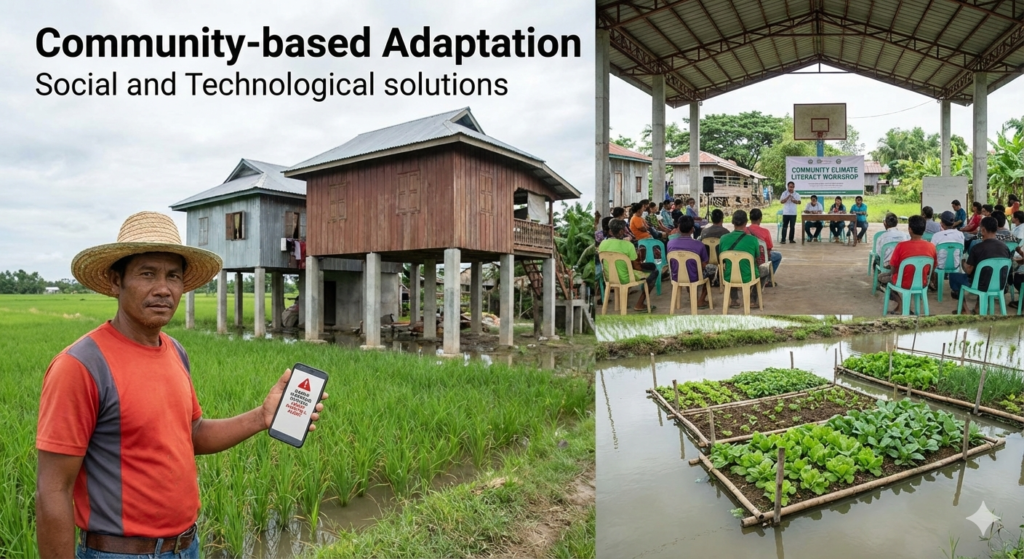
Without governance, education and inclusive institutions, adaptation efforts fail. Social adaptation includes legal reforms, risk governance, community participation and climate literacy essential foundations for any technical solution.
Examples of Climate Adaptation Around the World
Coastal Adaptation in the Netherlands
The Netherlands has pioneered long term, planned climate adaptation through its “Living with Water” approach. Instead of fighting water exclusively with barriers, controlled flooding zones and adaptive dikes reduce risk while preserving natural processes.
Community Based Adaptation in Bangladesh
Bangladesh demonstrates how low cost adaptation solutions can be effective:
- Floating agriculture systems
- Elevated housing
- Community based early warning systems
These examples of climate adaptation show how local knowledge strengthens resilience.
Ecosystem Based Adaptation in the Andes
In Ecuador, Peru and Bolivia, protecting high altitude ecosystems such as páramos improves water regulation and food security. Traditional agricultural terraces combined with ecosystem restoration reduce climate vulnerability.
Urban Climate Adaptation in Cities
Cities worldwide are adapting through:
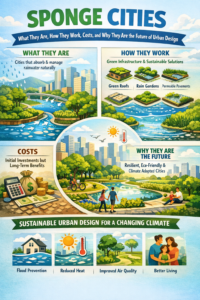
- Green roofs and urban forests
- Heatwave response plans
- Climate sensitive urban planning
Urban climate adaptation directly supports public health and economic stability.
Climate Adaptation Solutions Used Today
Adaptation solutions vary by region, climate risk and socioeconomic context, but most successful strategies integrate multiple approaches.
Nature Based Solutions
Nature based solutions overlap strongly with ecosystem based adaptation and are increasingly prioritized in climate change adaptation policy due to their scalability and co benefits.
Resilient Infrastructure and Spatial Planning
Climate resilient infrastructure transport, water, housing is essential for long term adaptation, especially in vulnerable regions.
Climate Adaptation Technologies
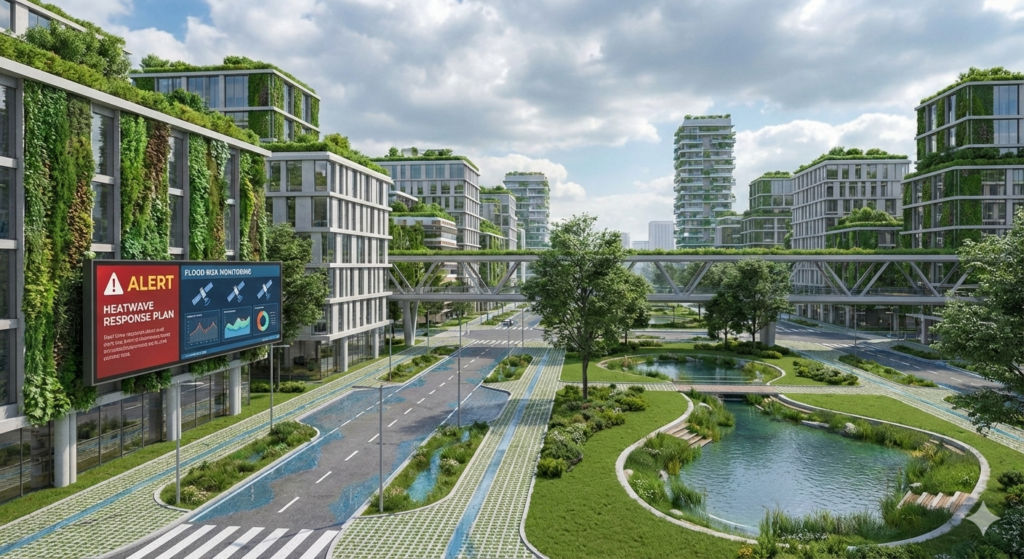
- Early Warning Systems and Climate Monitoring: Advanced forecasting systems, satellite monitoring and climate data platforms allow governments and communities to anticipate risks rather than react to disasters.
- Water and Agricultural Technologies: Efficient irrigation, drought-resistant crops and climate-smart agriculture technologies are critical adaptation tools, particularly in food insecure regions.
- Digital Innovation, Data and Artificial Intelligence: AI and big data improve climate modeling, risk assessment and decision making, supporting evidence based adaptation planning.
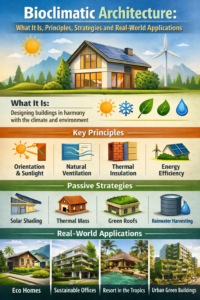
- Climate Adaptive Buildings and Urban Design: Bioclimatic architecture, passive cooling and heat resistant materials reduce energy demand while protecting populations from extreme heat.
Adaptation Policy and Governance
National Adaptation Plans (NAPs)
NAPs are the backbone of climate adaptation policy under the UNFCCC, helping countries align local actions with national goals.
International Frameworks and Institutions
Global institutions provide guidance, financing and coordination, but implementation depends on national and local capacity.
Role of Local Governments
Cities and regions play a decisive role in translating policy into real world adaptation solutions.
Challenges and Limits of Climate Adaptation
Key barriers include:
- Insufficient financing
- Social inequality
- Poor planning leading to maladaptation
- Climate uncertainty and scale mismatches
Maladaptation occurs when short term solutions increase long term vulnerability, highlighting the need for careful design and evaluation.
Emerging Trends in Climate Adaptation
- Transformational adaptation
- Integration of adaptation and mitigation
- Climate justice and equity
- Measuring adaptation effectiveness
These trends are shaping the next generation of climate adaptation strategies.
Frequently Asked Questions About Climate Adaptation
What are the best examples of climate adaptation?
Ecosystem restoration, early warning systems, climate resilient infrastructure and community based solutions.
Why is ecosystem based adaptation important?
It reduces risk while delivering biodiversity and social benefits.
How do climate adaptation technologies help?
They improve prediction, planning and efficient resource use.