What Environmental Strategies Are and Why They Matter
Environmental strategies are coordinated plans, policies, and practices designed to prevent, mitigate, or reverse the negative impact of human activity on the planet. They are not isolated “green” initiatives but integrated approaches that shape multiple sectors energy, transportation, agriculture, industry, and education.
In a world facing accelerating climate change, shrinking natural resources, and critical pollution levels, clear environmental strategies are no longer optional they are essential. These actions pave the way toward a sustainable economy, protect biodiversity, and ensure the health and well being of future generations.
Are Environmental Strategies and Good Environmental Practices the Same Thing?
Although the two terms are closely related, they are not identical:
| Aspect | Environmental Strategies | Good Environmental Practices |
|---|---|---|
| Definition | Long term, structured plans aimed at preventing or reducing environmental impact through coordinated actions, policies, and technologies. | Specific daily actions or habits that individuals, companies, or institutions adopt to minimize their environmental footprint. |
| Scope | Broad and strategic involves governments, organizations, and industries. | Local and operational focuses on individual or organizational behavior. |
| Objective | Achieve sustainable development and climate resilience at a systemic level. | Promote responsible, eco friendly behavior in daily operations or lifestyles. |
| Examples | Renewable energy transition, waste management policies, carbon neutrality plans. | Recycling, energy saving, water conservation, avoiding single use plastics. |
| Relationship | Provides the long term framework for sustainability. | Serves as the practical foundation that supports those strategies. |
In short, good practices are the building blocks of broader environmental strategies. While one focuses on individual or operational behavior, the other defines the strategic roadmap for sustainable development.
Key Global Strategies for Climate Change Mitigation
Reducing the ecological footprint requires comprehensive, long term solutions. The following are the most widely adopted strategies worldwide:
- Transitioning from fossil fuels to renewable energy
- Promoting sustainable mobility
- Redesigning consumption and waste management systems
- Protecting and restoring ecosystems
- Strengthening environmental education and policy
Each strategy directly supports the UN’s Sustainable Development Goals (SDGs) particularly SDG 13: Climate Action.
Renewable Energy and Energy Efficiency
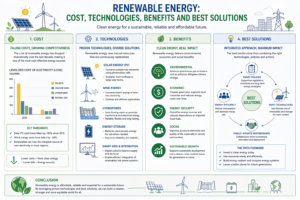
A cornerstone of ecological transition is the shift away from fossil fuels. This involves adopting clean technologies such as:
- Solar, wind, hydroelectric, and green hydrogen power
- Combined heat and power systems, LED lighting, and low energy buildings
- Advanced battery storage technologies
- Smart grids for realtime energy management
According to the UNDP Climate Promise, these initiatives can significantly cut greenhouse gas emissions, improve energy security, and reduce dependence on imported fuels.
Sustainable Mobility and Emission Reduction
Transportation remains one of the largest CO₂-emitting sectors. Environmental strategies in this area include:
- Upgrading fleets to electric, hybrid, or hydrogen powered vehicles
- Promoting efficient public transport and cycling infrastructure
- Using smart logistics and telematics for route optimization
- Implementing low-emission zones, green tolls, and incentive policies
Research shows that reducing car traffic and encouraging vehicle sharing can lower urban emissions by up to 40%.
Circular Economy and Responsible Waste Management
A circular economy ensures that nothing is wasted and everything is reused. Implementing this model means:
- Designing long lasting, recyclable products
- Reusing industrial by products and materials
- Creating reverse logistics systems
- Encouraging recycling at home and in businesses
By applying the 3Rs: Reduce, Reuse, Recycle, we relieve pressure on natural resources and reduce soil, river, and ocean pollution.
Ecosystem Conservation and Sustainable Land Use
orests, wetlands, and mangroves are natural carbon sinks. Protecting them mitigates climate change while preserving biodiversity.
Key actions include:
- Preventing deforestation and promoting reforestation
- Restoring degraded habitats and expanding protected areas
- Encouraging regenerative and sustainable farming practices
- Halting agricultural land expansion
Transforming land use is vital for long term resilience. Regenerative agriculture, for example, improves soil fertility and captures atmospheric carbon effectively.
Corporate Innovation: ESG, Certifications, and Green Supply Chains
Businesses play a critical role in sustainability. Leading corporate strategies include:
- Implementing Environmental Management Systems (ISO 14001)
- Setting emission reduction targets and publishing sustainability reports
- Encouraging eco design and phasing out harmful materials
- Partnering with sustainable suppliers and adopting green standards
- Investing in energy efficiency, recyclable materials, and clean technologies
Sustainability is no longer a cost it’s a competitive advantage, enhancing reputation and attracting responsible investors.
Sector Specific Strategies: Energy, Transport, Industry, and Education
Energy
- Electrifying transport and industry
- Investing in renewable infrastructure and energy storage
- Exploring carbon capture (CCUS) and green hydrogen solutions
Transport
- Tax incentives for clean vehicles
- Expanding cycling and rail infrastructure
- Applying digital tools for sustainable logistics
Industry
- Cleaner production and efficient resource use
- Replacing polluting raw materials
- Scaling up circular economy initiatives
Education
- Integrating environmental topics into school curricula
- Promoting campus sustainability (energy saving, recycling, gardens)
- Encouraging student led environmental and mobility projects
Public Policy, Incentives, and Regulatory Frameworks
Government support is vital to scaling environmental action. Key policy priorities include:
- Establishing emission limits and efficiency standards
- Providing subsidies for clean technologies and carbon taxation
- Participating in global agreements like the Paris Agreement
- Linking sustainability to employment, education, and innovation
A stable regulatory environment builds confidence and attracts green investment.
Measuring Impact: Indicators and Continuous Improvement
For any strategy to be effective, its impact must be measurable. Organizations and governments use:
- Key Performance Indicators (KPIs): CO₂ reduction, energy use, recycling rates
- Reporting systems: GRI, CDP, and sustainability audits
- Environmental certifications: ISO, EMAS, LEED
These systems not only ensure transparency but also help refine and improve long term environmental goals.